Carrinho
0
0,00 €

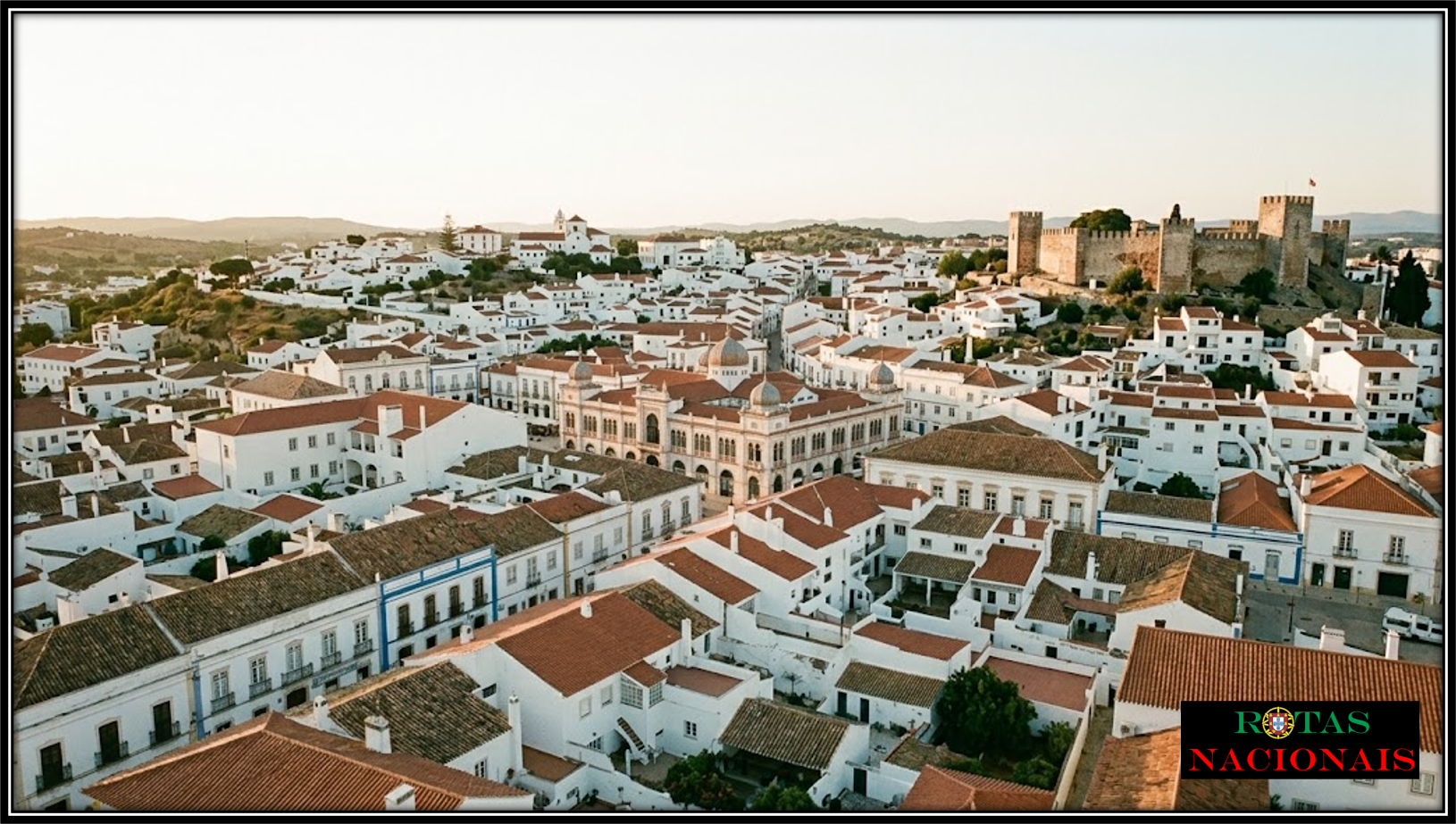
Centro histórico medieval, arqueológico, arquitetónico e cultural de influência árabe na região, as ruas movimentadas cheias de caráter e personalidade.
A cidade tem um cariz mais comercial, sendo menos popular do que Lagos ou Tavira. Isso permite manter mais autenticidade nos traços culturais do quotidiano algarvio.
Programe a sua visita para coincidir com um sábado de manhã. É o dia forte do Mercado que enche bancas e as ruas adjacentes com o mercado semanal da cidade que converge aqui. Tem ainda o mercado cigano frente ao Convento de Santo António, onde ainda é habitual praticar-se a arte do regateio, à marroquina.
Loulé é a guardiã dos saberes antigos. Se o Guia impresso lhe mostrou a azáfama do Mercado, aqui revelamos o silêncio das aldeias de cal branca e as mãos que moldam o barro e a palma. É o Algarve que não se esquece das suas raízes.
O Refúgio do Barrocal: Querença
Apenas a uns minutos de Loulé, Querença é uma das aldeias mais pitorescas da região. Erguida num cabeço, com a sua igreja branca a dominar a paisagem, esta aldeia é famosa pela sua gastronomia e pela mística das suas gentes.
A não perder: A Igreja de Nossa Senhora da Assunção, com o seu portal manuelino, e a Fundação Manuel Viegas Guerreiro.
Experiência Única: Prove o licor de medronho local e o chouriço de Querença, sabores que transportam a força da serra algarvia.
Mãos com História: A Cerca do Convento
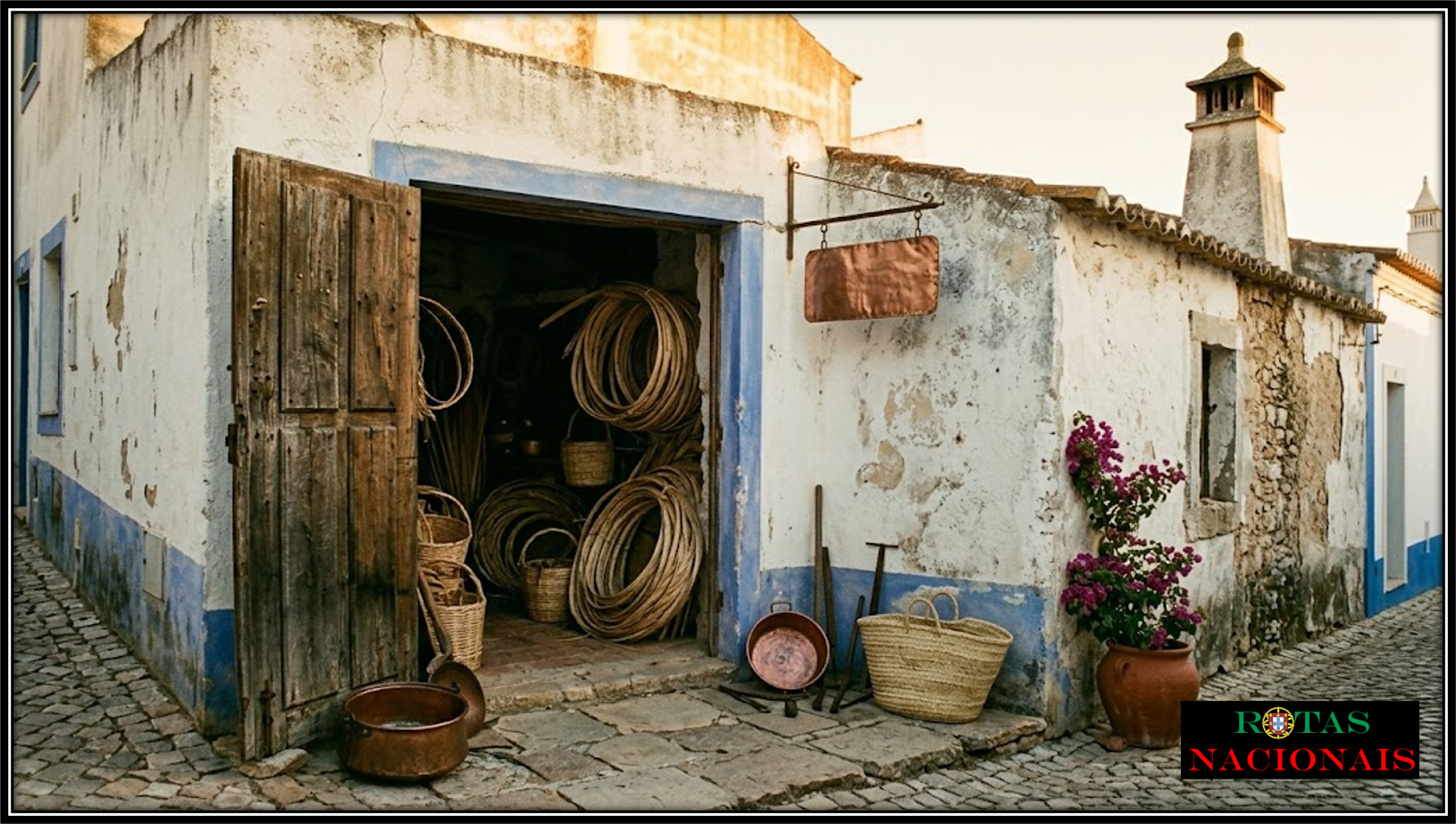
Loulé está a tornar-se a capital criativa do Algarve. Nas oficinas da Cerca do Convento, artesãos trabalham ao vivo, transformando o cobre, a palma (empreita) e a cerâmica em peças contemporâneas. É aqui que se percebe que o artesanato não é apenas passado, mas um futuro vibrante.
Dica de Ouro: Participe num workshop rápido. Não há melhor recordação da EN125 do que algo feito pelas suas próprias mãos, guiado por quem conhece os segredos da matéria.
Medieval historic center, an archaeological, architectural and cultural hub with Arab influence in the region, with bustling streets full of character and personality.
The city has a more commercial character and is less popular than Lagos or Tavira. This helps preserve greater authenticity in the cultural traits of everyday life in the Algarve.
Plan a visit to coincide with a Saturday morning. It is the main market day, when the stalls and surrounding streets fill up with the city’s weekly market that converges here. There is also the gypsy market in front of the Convent of Santo António, where the art of haggling in the Moroccan style is still commonly practiced.
Loulé is the guardian of ancient knowledge. While the printed Guide showed you the hustle and bustle of the Market, here we reveal the silence of white-washed villages and the hands that shape clay and palm. This is the Algarve that never forgets its roots.
The Barrocal Retreat: Querença
Just a few minutes from Loulé, Querença is one of the most picturesque villages in the region. Perched on a hilltop with its white church dominating the landscape, this village is famous for its gastronomy and the mystique of its people.
Don't miss: The Church of Our Lady of the Assumption, with its Manueline portal, and the Manuel Viegas Guerreiro Foundation.
Unique Experience: Taste the local "medronho" liqueur and the Querença chorizo, flavors that carry the strength of the Algarve mountains.
Hands with History: Cerca do Convento
Loulé is becoming the creative capital of the Algarve. In the Cerca do Convento workshops, artisans work live, transforming copper, palm weaving (empreita), and ceramics into contemporary pieces. Here you realize that craft is not just the past, but a vibrant future.
Insider Tip: Join a quick workshop. There is no better souvenir of the EN125 than something made by your own hands, guided by those who know the secrets of the craft.
Centre historique médiéval, archéologique, architectural et culturel d’influence arabe dans la région, avec des rues animées pleines de caractère et de personnalité.
La ville a un caractère plus commercial, étant moins populaire que Lagos ou Tavira. Cela permet de préserver davantage l’authenticité des traits culturels du quotidien algarvien.
Il est conseillé de programmer la visite pour un samedi matin. C’est le jour fort du marché, qui remplit les étals et les rues adjacentes avec le marché hebdomadaire de la ville qui converge ici. Il y a aussi le marché gitan en face du couvent de Santo António, où il est encore habituel de pratiquer l’art du marchandage, à la marocaine.
Loulé est la gardienne des savoirs anciens. Si le Guide imprimé vous a montré l'agitation du Marché, nous révélons ici le silence des villages à la chaux blanche et les mains qui façonnent l'argile et la palme.
Le Refuge du Barrocal : Querença
À quelques minutes de Loulé, Querença est l'un des villages les plus pittoresques de la région. Perché sur une colline, ce village est célèbre pour sa gastronomie et l'âme de ses habitants.
À ne pas manquer : L'église de Notre-Dame de l'Assomption et son portail manuélin.
Expérience Unique : Goûtez à la liqueur de "medronho" locale e au chorizo de Querença.
Des Mains avec Histoire : La Cerca do Convento
Loulé devient la capitale créative de l'Algarve. Dans les ateliers de la Cerca do Convento, des artisans travaillent en direct pour transformer le cuivre, la palme et la céramique.
Conseil d'Initié : Participez à um atelier rapide. Il n'y a pas de meilleur souvenir de la EN125 que quelque chose fait de vos propres mains.